

Our cells rely on glycogen — a stored form of sugar — to keep up with energy demands. An enzyme called GYS1 plays a key role in building these glycogen reserves. Cancer cells often take advantage of this process, overproducing GYS1 so they can stockpile energy and resist treatment.
At SOHM, we used our ABBIE gene-editing platform (Advanced Binding-Based Integrase Enzyme) to create an ovarian cancer cell line that stably overexpresses GYS1. Unlike traditional methods, ABBIE allows us to place the GYS1 gene into the genome at a precise single site, avoiding random integrations that can create variability or artifacts.
This gives researchers a reliable and reproducible model for:
- Studying how cancer metabolism works,
- Testing new drugs that target glycogen pathways, and
- Exploring combination therapies that could overcome resistance.
By combining the power of ABBIE with innovative cell models, SOHM is helping accelerate drug discovery and bring new treatment strategies closer to patients.
The Importance of Accurate Drug Screening Tools in Drug Development. SOHM ABBIE GYS1-Expressing Cell Lines for Pharmaceutical Development and Testing
In modern drug discovery and development, cell lines are indispensable tools that allow researchers to model disease pathways, test therapeutic candidates, and evaluate safety profiles before advancing to clinical trials. Establishing accurate drug screening tools for drug development is critical for successful clinical assets moving through development and end ensuring successful outcomes for patients. Current drug screening tools generated from varying gene editing tools are costly and often not suitable to capture accurate pharmacologic dosing. Inaccurate pharmacological dosing can potentially change the trajectory of life-saving drugs. If, for example, a drug screening tool overexpressing a gene does not reflect pathology accurately, preliminary studies may inaccurately describe potency. This will be a costly mistake throughout the drug development process and may ultimately lead to the discontinuation of development or worse, harm to the patient. The same drug, if tested accurately throughout development, can produce safe and effective drugs at minimal development and manufacturing cost.
Figure 1:
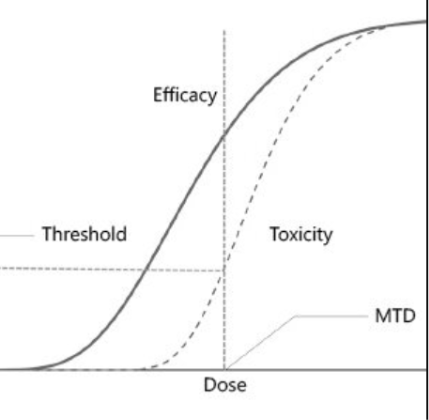
Description: Drugs have a window of efficacy where they exhibit intended clinical outcomes. For many drugs, this window can be extremely narrow. When the dose is not correct, the drug can induce toxicities or no change at all. Therefore, it is important to screen drugs that accurately capture windows of efficacy and toxicity throughout development. The maximum tolerated dose (MTD) is the highest dose that does not cause unacceptable toxicities.
SOHM ABBIE engineered drug screening tool GYS1+-SKOV3 accurately captures pharmacological implications of overexpressing a druggable target with one extra copy number at a precise location. This is achieved using a first in class patent protected ABBIE technology.
Among the many targets of interest, Glycogen Synthase 1 (GYS1) has emerged as an important enzyme to study in the context of metabolic regulation, cancer biology, and therapeutic response.
Understanding Human GYS1: A Key Player in Glycogen Metabolism
At the heart of human cellular metabolism lies glycogen, the storage form of glucose that fuels tissues when energy demand spikes. The enzyme glycogen synthase 1 (GYS1) is the major driver of glycogen production in most tissues, especially in skeletal muscle, which accounts for the majority of glycogen storage in the body.
The Role of GYS1
GYS1 catalyzes the addition of glucose units to a growing glycogen chain. It functions in response to hormonal and nutritional cues, balancing the body’s energy reserves with its immediate needs. When glucose is plentiful, GYS1 helps store it away; when energy is scarce, glycogen is broken down to supply fuel.
Regulation of GYS1 Activity
The activity of GYS1 is tightly regulated at multiple levels:
- Phosphorylation: Inhibitory phosphorylation reduces enzyme activity, while dephosphorylation activates it.
- Allosteric activation: Glucose-6-phosphate acts as a strong activator, ensuring glycogen synthesis when glucose is abundant.
- Hormonal signaling: Insulin promotes glycogen synthesis by activating GYS1, while stress hormones such as adrenaline tend to inhibit it, prioritizing glycogen breakdown.
Why GYS1 Matters in Health and Disease
Because glycogen metabolism sits at the crossroads of energy regulation, disruptions in GYS1 function have wide-ranging consequences:
- Glycogen storage diseases: Mutations in GYS1 are linked to glycogen storage disease type 0, a rare metabolic disorder.
- Diabetes and metabolic syndrome: Altered regulation of glycogen synthesis plays a role in insulin resistance and impaired glucose handling.
- Neurological and cardiovascular impact: GYS1 dysfunction has been associated with epilepsy and cardiac arrhythmias due to imbalanced glycogen metabolism in neurons and heart muscle.
- Cancer: Tumor cells often rewire energy pathways, and GYS1 overexpression has been observed in cancers where glycogen accumulation provides a growth advantage.
The Research Opportunity
Because of its central role in metabolism and its links to multiple diseases, human GYS1 has become a prime research target. Studying this enzyme in controlled cell models allows scientists to explore new therapies that modulate glycogen storage and utilization — from metabolic diseases to oncology.
The Role of GYS1-Expressing Cell Lines in Drug Development
Researchers can leverage GYS1-overexpressing cell lines to:
- Screen novel therapeutics – Compounds targeting glycogen metabolism pathways can be tested efficiently in vitro.
- Understand mechanisms of action – These cell lines enable detailed studies of how altered glycogen synthesis impacts signaling pathways, tumor metabolism, and disease progression.
- Validate biomarkers – Measuring therapeutic effects on GYS1 activity or downstream pathways helps establish potential biomarkers for patient selection and treatment monitoring.
- Accelerate translational studies – By providing a stable genetic background with controlled GYS1 expression, these models reduce variability and improve reproducibility of and confidence in results.
SOHM’s SKOV-3 GYS1-Expressing Cell Line
SOHM Inc. offers a specialized SKOV-3 ovarian cancer cell line engineered to over-express GYS1. This line is unique in that it contains a single copy of a GYS1 transgene integrated into its genome, ensuring stable and consistent expression over multiple passages.
Key advantages of SOHM’s SKOV-3 GYS1 cell line include:
- Relevance to oncology research: The SKOV-3 background makes it highly applicable for studies in cancer metabolism and drug resistance.
- Stable integration: A single-copy transgene minimizes overexpression artifacts and supports long-term experiments.
- Versatility in applications: Ideal for screening metabolic inhibitors, validating glycogen-related biomarkers, and testing combination therapies.
Driving Innovation in Therapeutics
As pharmaceutical companies continue to focus on precision medicine and targeted therapies, having access to reliable, well-characterized GYS1-expressing cell lines is critical. By providing advanced cellular models like the SKOV-3 GYS1 line, SOHM supports drug developers and researchers in accelerating discovery and translating laboratory findings into meaningful patient outcomes.